Uniting Bharat: Overcoming Caste and Religious Divides

In a nation as diverse as Bharat, the challenge of uniting people across caste and religious lines is both daunting and essential. With a rich tapestry of cultures, languages, and traditions, Bharat stands as a testament to the strength found in diversity. Yet, the persistent divides based on caste and religion often hinder progress and social cohesion. This blog post explores the roots of these divides, the impact they have on society, and practical steps we can take to foster unity.
Understanding the Roots of Division
Historical Context
The caste system in Bharat has deep historical roots, dating back thousands of years. Initially, it was a division of labor, but over time it evolved into a rigid social hierarchy. This system has led to discrimination and social stratification, where certain groups are marginalized based on their caste.
Similarly, religious divides have also shaped the social landscape. The coexistence of various religions, including Hinduism, Islam, Christianity, Sikhism, and others, has often been marred by conflict and misunderstanding. Historical events, such as the partition of India in 1947, have left scars that continue to influence inter-religious relations today.
Social Implications
The implications of caste and religious divides are profound. They manifest in various aspects of life, including:
Education: Access to quality education is often determined by caste and religion, leading to disparities in opportunities.
Employment: Discrimination in hiring practices can limit job prospects for individuals from marginalized communities.
Social Interaction: Segregation in social settings can perpetuate stereotypes and foster animosity between groups.
The Impact of Division on Society
Economic Consequences
The economic impact of caste and religious divides is significant. When certain groups are excluded from economic opportunities, it not only affects their livelihoods but also hampers national growth. According to a report by the World Bank, social exclusion can cost countries up to 10% of their GDP.
Political Ramifications
Politically, caste and religious divides can lead to instability. Politicians may exploit these divisions for electoral gain, further entrenching societal rifts. This can result in communal violence, as seen in various parts of Bharat, where riots have erupted over religious tensions.
Psychological Effects
The psychological toll on individuals from marginalized communities can be severe. Constant discrimination and social exclusion can lead to feelings of inferiority, anxiety, and depression. This cycle of negativity not only affects individuals but also their families and communities.
Steps Towards Unity
Promoting Education and Awareness
One of the most effective ways to bridge divides is through education. By promoting awareness of the historical and social contexts of caste and religion, we can foster understanding and empathy. Educational institutions should incorporate curricula that celebrate diversity and teach the importance of unity.
Encouraging Interfaith Dialogue
Creating platforms for interfaith dialogue can help break down barriers. Community events, workshops, and discussions can provide opportunities for individuals from different backgrounds to share their experiences and perspectives. This can lead to greater understanding and respect among diverse groups.
Supporting Inclusive Policies
Government policies should aim to promote inclusivity and equality. Affirmative action programs can help uplift marginalized communities, ensuring they have access to education, employment, and social services. Additionally, laws against discrimination should be strictly enforced to protect individuals from caste and religious bias.
Celebrating Diversity
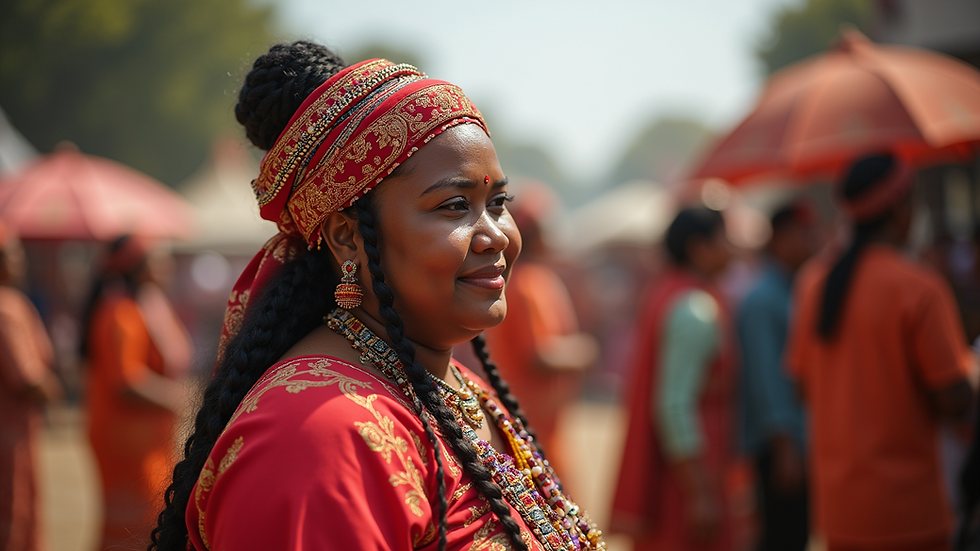
Cultural festivals and events that celebrate the rich diversity of Bharat can play a crucial role in fostering unity. By showcasing various traditions, cuisines, and art forms, we can create a sense of belonging and appreciation for different cultures.
Building Community Initiatives
Grassroots initiatives can be powerful in promoting unity. Community-led projects that bring together individuals from different backgrounds can help build trust and cooperation. For example, joint community service projects can foster collaboration and a sense of shared purpose.
The Role of Technology
Digital Platforms for Connection
In today's digital age, technology can serve as a bridge between communities. Social media platforms can facilitate conversations and connections among individuals from diverse backgrounds. Online campaigns promoting unity and understanding can reach a wide audience, encouraging positive dialogue.
E-Learning Opportunities
Online education platforms can provide access to quality education for marginalized communities. By offering courses that focus on skill development and empowerment, we can help individuals break free from the constraints of caste and religious divides.
Conclusion
Uniting Bharat requires a collective effort to overcome the historical and social divides that have persisted for centuries. By promoting education, encouraging dialogue, supporting inclusive policies, celebrating diversity, and leveraging technology, we can create a more harmonious society. The journey towards unity is not easy, but it is essential for the progress and prosperity of Bharat. Let us work together to build a future where every individual, regardless of caste or religion, can thrive and contribute to the rich tapestry of our nation.


Comments